Licence Business

From the idea to the licence —
and to a statement that adds up.

A right is only worth as much as the model that monetises it. We guide licence deals the whole way: test the idea, find the licensee, negotiate the contract, control the accounting.

Four steps,
one continuous process.

Most licence projects fail not on the idea but at one of the handovers: an unclear rights position, the wrong partner, a contract nobody can account against, or statements nobody checks. We cover all four steps — or the one where it is stuck.

01

Idea & rights check

What exactly is there, who owns it, and how much of it is protectable — trademark, copyright, design, know-how? Gaps are closed before anything is offered to a partner. Then the decision of which licence model actually carries: brand, product, content, edition or territory licence.

02

Finding the right licensees

Who can manufacture, distribute or publish this — and who brings market access you do not have? We research candidates, approach them, check standing and distribution strength, and make the introduction.

03

Running the negotiation

Royalty structure, minimum guarantees, exclusivity, territories, term, quality and brand requirements, reversion where the licence goes unused. We negotiate alongside you and make sure the contract can actually be accounted against — not merely signed.

04

Monitoring royalty statements

The point where most licensors lose money. We check incoming statements against the contract and market data, chase reporting gaps, exercise audit rights and recover the differences.

Where we do this.

The mechanics are the same everywhere — the distribution channels, margins and customs are not. Four fields we work in:

Food

Brand and product licences with manufacturers and specialty producers, access through wholesale and retail. Typically: an established brand that should reach scale without its owner running a production line.

Books & publishing

Editions, series, follow-up print runs, language and territory rights, subsidiary rights. Typically: existing content or expertise with no exploitable product format around it yet.

Games

Brand and character licences for board, card and digital games; format licences and merchandising. Typically: a brand or character with recognition but no games licensing strategy.

Show concepts & formats

Concept and format licences for stage, event and TV formats, including territory and season licences. Typically: a format that works and that others have long been copying informally.

We never become the licensor. Beat Box does not conclude licence agreements in its own name and does not take rights. We work strictly on mandate — the licence is yours, the rights stay with you.

Two examples.

Shown anonymised, without naming brands or partners.

Case A

Brand licence in the food sector

An established brand whose use was limited to a single channel. We reviewed the trademark and rights position, structured the licence model with a manufacturing partner, defined royalty and territory terms, set up contracts and costing, and prepared access to the wholesale trade. The result: recurring licence income without the brand owner having to manufacture anything.

Case B

Content edition in publishing

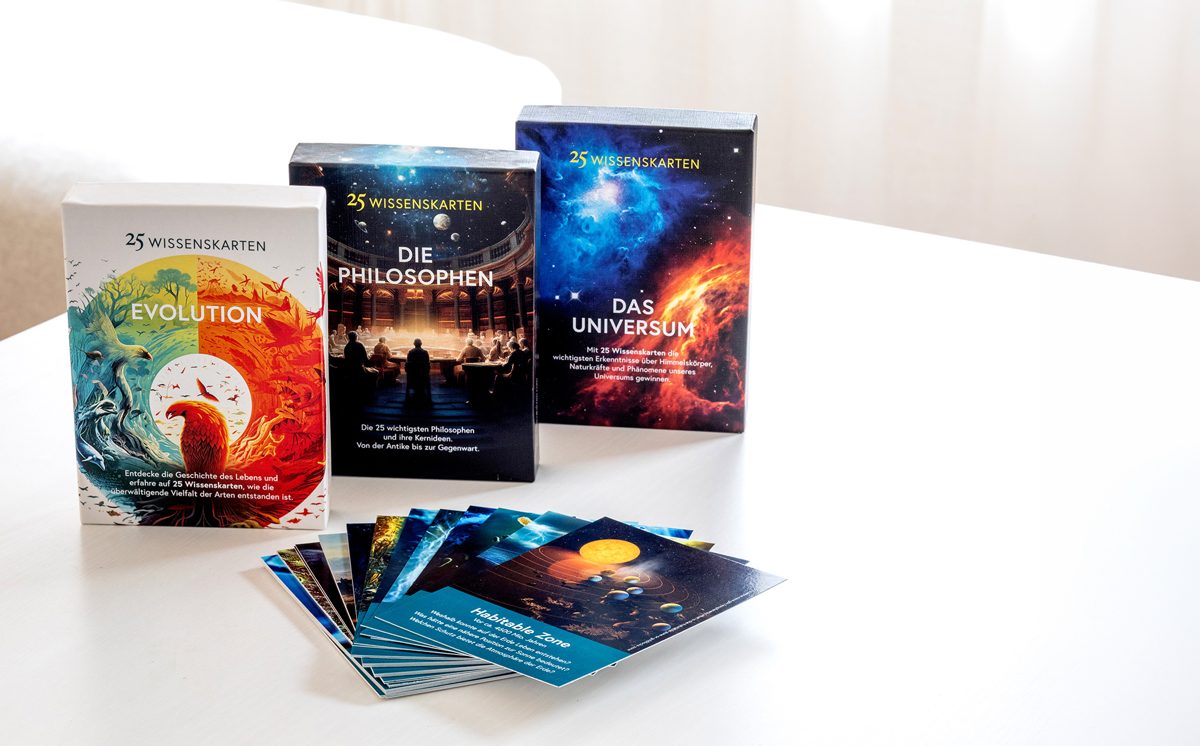
Expertise only becomes exploitable once it has a format that can be licensed — for instance a closed edition of a fixed number of knowledge cards. We define structure and scope, clear the rights in text and design, and design the licence model for publishing and distribution partners: print runs, follow-up editions, language and territory rights, fee and royalty structure.

Tell us what you have.

A brand, a catalogue, a work or an idea — the first assessment costs nothing. We will tell you honestly whether a licence model pays off, or where revenue is going missing.

Email
Phone
Address
Deepenstöcken 10
22529 Hamburg
Send an enquiry